This was the intro to a workshop given at the Corporate Watch 30th anniversary day in London. It’s about how to make campaign strategies by mapping and targeting the relationship networks of corporations (and other powerful actors).
After the intro, we put it into practice with a live strategy session. This focused on the fight to stop the new Brick Lane data centre, round the corner from where the workshop was taking place in Bethnal Green.
1. Struggle: It’s all disruption
In the previous session we heard about successful campaigns which used different kinds of approaches: legal, reputational, disruptive.
But my premise now is: actually, it’s all disruption. On the whole, successful campaigns work because they disrupt a company or other actor’s ability to get what it wants. Or they threaten enough disruption that the company backs down.
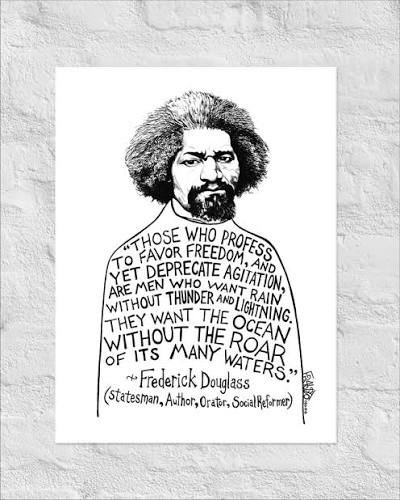
As this is a Corporate Watch workshop, we’ll focus on corporations. But to start very general, what I’m saying is that campaigns usually follow a basic logic of social conflict. As in the Frederick Douglass quote: “If there is no struggle there is no progress […] Power concedes nothing without a demand.” You don’t win because you “speak truth to power” and persuade the powerful to just be nice.
2. The logic of struggle: example of strike
You win because you find a way to make it so the powerful actor decides its more in their interest to give way, at least for now. Or, in the extreme case, because you cause enough disruption that their collective organisation breaks apart altogether.
Let’s start with the example of a strike. Very crudely, the logic is this. The company wants to make a profit. Profit equals sales revenue minus costs. If you withdraw labour effectively, you shut down production. Once the company has used up its stocks, it has no more goods to sell, so can’t make a profit. If the strike works, it is losing money: call this the cost of disruption (after Joseph Luders). On the other hand, if it meets the workers’ demands, e.g., gives them a pay rise, this also has a cost: call it the cost of settlement. In the crudest possible case, a rational company manager should back down if you can make the cost of disruption higher than the cost of settlement.
Of course, in real life, it’s a lot more complex. For one thing, companies aren’t just thinking about short-term profits, they have long-term strategies. Maybe they’re prepared to pay a high cost to break the workers and cut wage costs longer term. Maybe they actually want to shut down your workplace. Or maybe they’re not just rational profit-maximisers after all. Corporate bosses are human too, they can be stubborn, hot-headed, or even have principles.
So you can’t just say: if we cost them £2 million, they’ll concede. It’s more messy than that. But even so, usually the basic strategic logic still holds. If you cause enough disruption to what they care about, they will probably move.